
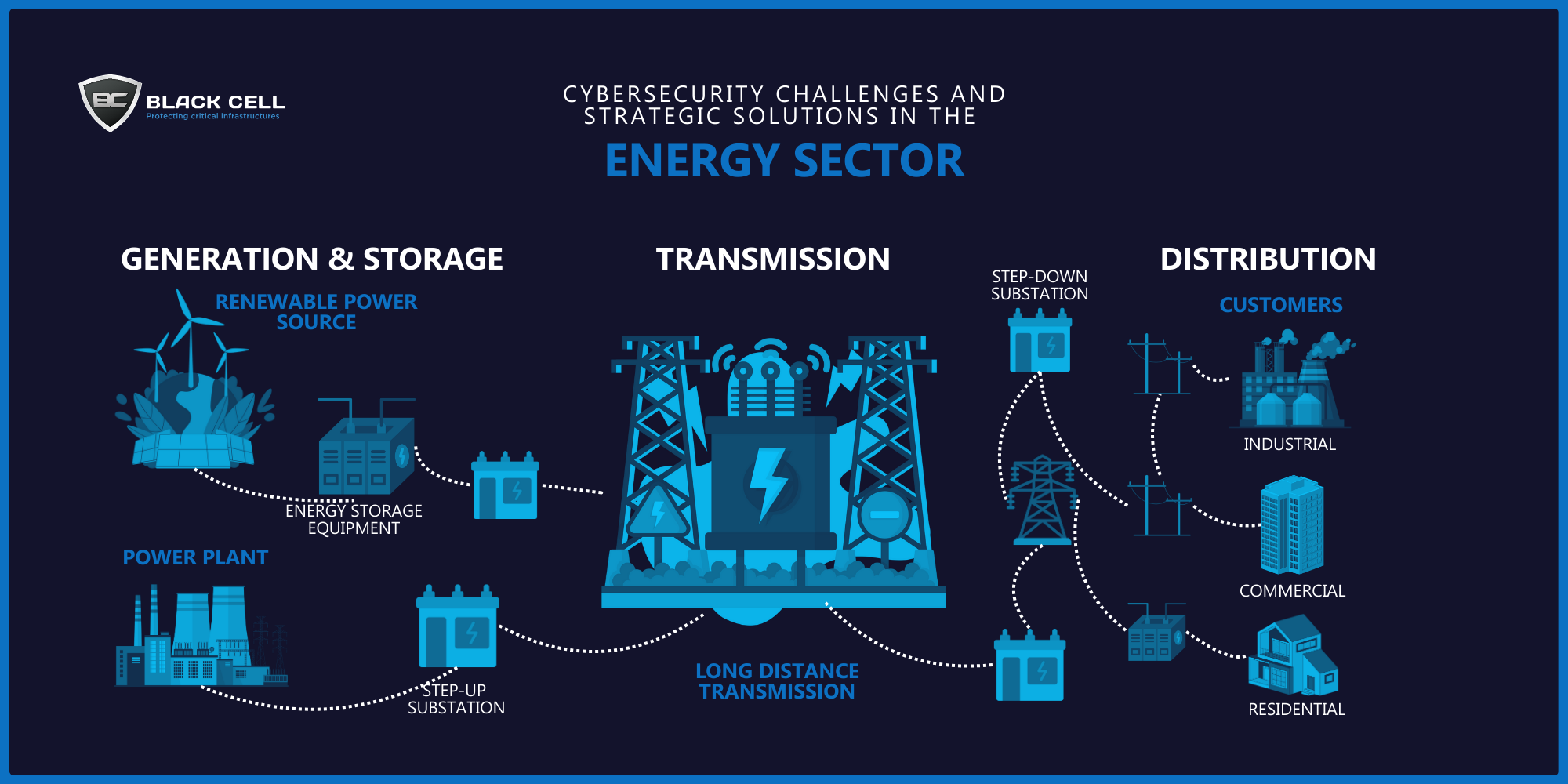
As energy sector evolves with advancements like smart grids and renewable energy integration, cybersecurity becomes even more critical to address emerging risks. Investing in strong cybersecurity measures and fostering a security-conscious culture within the energy industry are essential steps in building resilience against these threats.
Key Challenges and Potential Solutions
- Cyber Threats: The energy sector is a prime target for cyber attacks, including ransomware, data breaches, and supply chain attacks.
- Solution: Strengthen defenses with network segmentation, intrusion detection systems, and regular security assessments. Additionally, train employees to recognize and respond to suspicious activities.
- Legacy Systems: Many energy facilities still rely on outdated systems that lack modern cybersecurity features.
- Solution: Upgrade legacy systems where possible and apply regular security patches to minimize vulnerabilities.
- Supply Chain Risks: The energy industry depends on a complex supply chain, which increases the risk of compromised software or hardware.
- Solution: Implement supply chain risk management practices, including vendor assessments, security requirements, and redundancy measures to minimize disruptions.
- Regulatory Compliance: Meeting cybersecurity regulations in the energy sector can be challenging, given the numerous standards and requirements.
- Solution: Develop cybersecurity policies aligned with regulatory requirements and engage with authorities to stay compliant.
- Human Factors: Human error, negligence, or insider threats can compromise security in energy operations.
- Solution: Strengthen access controls, conduct regular employee training, and implement incident response procedures to mitigate human risks.
- Emerging Technologies: Innovations like IoT devices, cloud computing, and smart grids introduce new security challenges due to increased connectivity.
- Solution: Adopt security-by-design principles, conduct risk assessments, and stay informed about emerging threats to secure these technologies.
Addressing cybersecurity in the energy sector requires a multi-layered approach, involving people, processes, and technology. By staying proactive and vigilant, energy organizations can strengthen their defenses and reduce the risk of cyber attacks.

Employees 85% more likely to leak files today vs pre-COVID
Employees are 85 percent more likely today to leak files than they were before the COVID-19 pandemic, according to research released Thursday by Code42. Joe Payne, Code42’s president and CEO, said the vast majority of that 85 percent are malicious insiders and the rest are caused by employee carelessness.

This Bluetooth Attack Can Steal a Tesla Model X in Minutes
Tesla has always prided itself on its so-called over-the-air updates, pushing out new code automatically to fix bugs and add features. But one security researcher has shown how vulnerabilities in the Tesla Model X’s keyless entry system allow a different sort of update: A hacker could rewrite the firmware of a key fob via Bluetooth connection, lift an unlock code from the fob, and use it to steal a Model X in just a matter of minutes.