
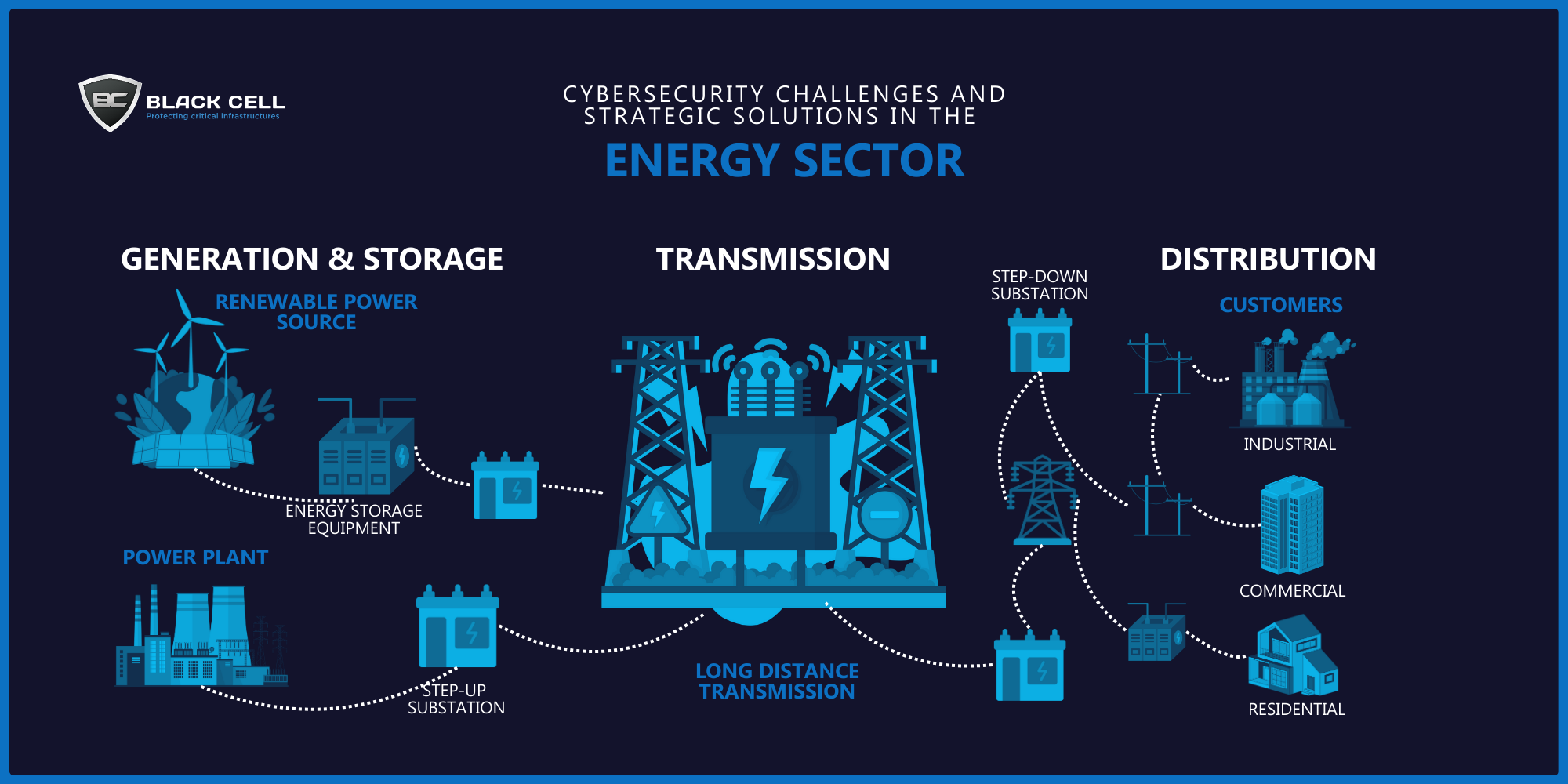
As energy sector evolves with advancements like smart grids and renewable energy integration, cybersecurity becomes even more critical to address emerging risks. Investing in strong cybersecurity measures and fostering a security-conscious culture within the energy industry are essential steps in building resilience against these threats.
Key Challenges and Potential Solutions
- Cyber Threats: The energy sector is a prime target for cyber attacks, including ransomware, data breaches, and supply chain attacks.
- Solution: Strengthen defenses with network segmentation, intrusion detection systems, and regular security assessments. Additionally, train employees to recognize and respond to suspicious activities.
- Legacy Systems: Many energy facilities still rely on outdated systems that lack modern cybersecurity features.
- Solution: Upgrade legacy systems where possible and apply regular security patches to minimize vulnerabilities.
- Supply Chain Risks: The energy industry depends on a complex supply chain, which increases the risk of compromised software or hardware.
- Solution: Implement supply chain risk management practices, including vendor assessments, security requirements, and redundancy measures to minimize disruptions.
- Regulatory Compliance: Meeting cybersecurity regulations in the energy sector can be challenging, given the numerous standards and requirements.
- Solution: Develop cybersecurity policies aligned with regulatory requirements and engage with authorities to stay compliant.
- Human Factors: Human error, negligence, or insider threats can compromise security in energy operations.
- Solution: Strengthen access controls, conduct regular employee training, and implement incident response procedures to mitigate human risks.
- Emerging Technologies: Innovations like IoT devices, cloud computing, and smart grids introduce new security challenges due to increased connectivity.
- Solution: Adopt security-by-design principles, conduct risk assessments, and stay informed about emerging threats to secure these technologies.
Addressing cybersecurity in the energy sector requires a multi-layered approach, involving people, processes, and technology. By staying proactive and vigilant, energy organizations can strengthen their defenses and reduce the risk of cyber attacks.
Detecting CVE-2020-1472 (CISA ED 20-04) Using Splunk Attack Range
Discussion around ATT&CK often involves tactics, techniques, procedures, detections, and mitigations, but a significant element is often overlooked: data sources. Data sources for every technique provide valuable context and opportunities to improve your security posture and impact your detection strategy.

Windows System Processes — An Overview For Blue Teams
The Windows operating system contains a lot of system processes that are present every time we boot our machines. These processes are responsible for a lot of things. From initialization and creating the user interface to loading the necessary drivers and DLL’s.