
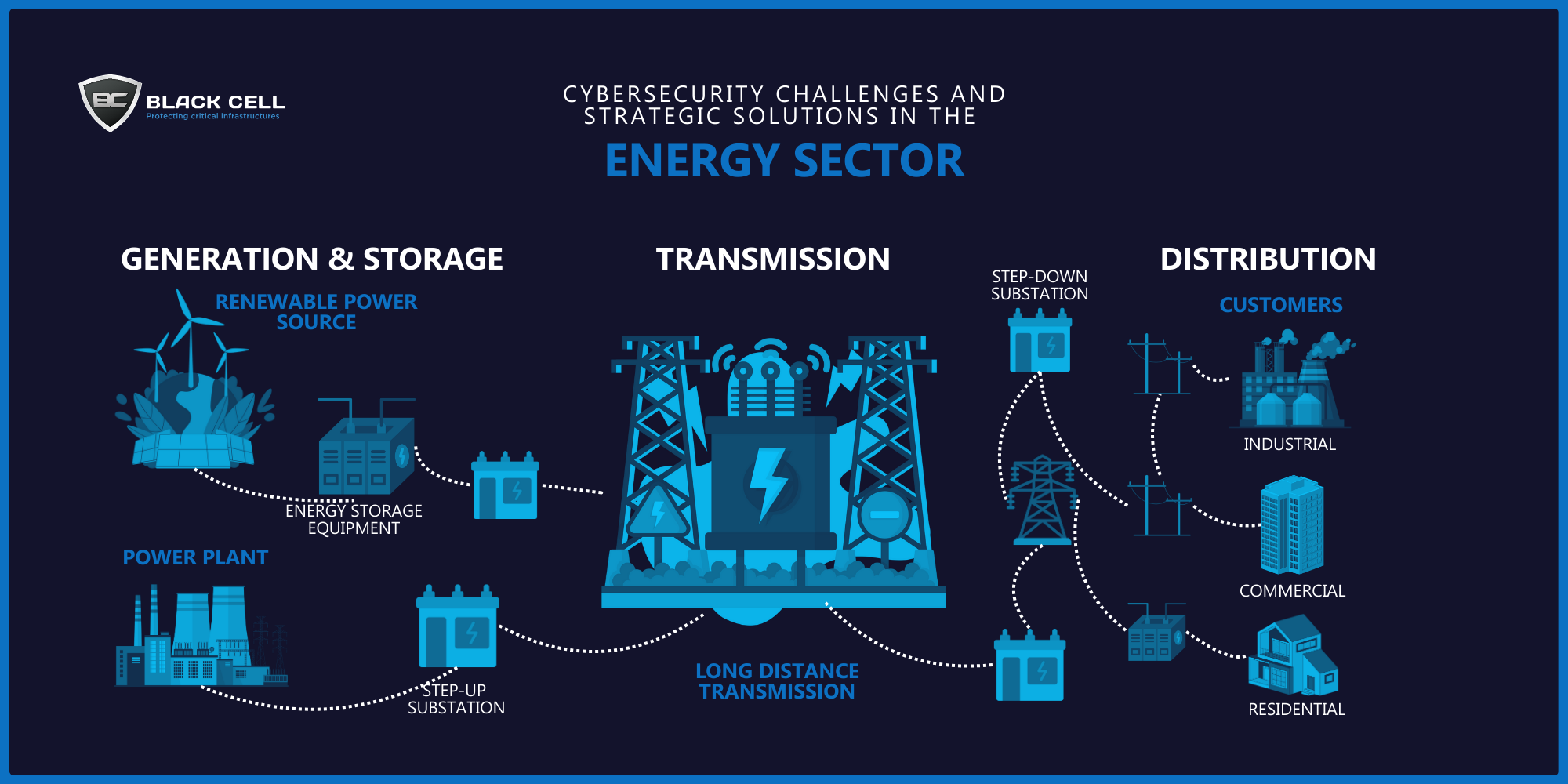
As energy sector evolves with advancements like smart grids and renewable energy integration, cybersecurity becomes even more critical to address emerging risks. Investing in strong cybersecurity measures and fostering a security-conscious culture within the energy industry are essential steps in building resilience against these threats.
Key Challenges and Potential Solutions
- Cyber Threats: The energy sector is a prime target for cyber attacks, including ransomware, data breaches, and supply chain attacks.
- Solution: Strengthen defenses with network segmentation, intrusion detection systems, and regular security assessments. Additionally, train employees to recognize and respond to suspicious activities.
- Legacy Systems: Many energy facilities still rely on outdated systems that lack modern cybersecurity features.
- Solution: Upgrade legacy systems where possible and apply regular security patches to minimize vulnerabilities.
- Supply Chain Risks: The energy industry depends on a complex supply chain, which increases the risk of compromised software or hardware.
- Solution: Implement supply chain risk management practices, including vendor assessments, security requirements, and redundancy measures to minimize disruptions.
- Regulatory Compliance: Meeting cybersecurity regulations in the energy sector can be challenging, given the numerous standards and requirements.
- Solution: Develop cybersecurity policies aligned with regulatory requirements and engage with authorities to stay compliant.
- Human Factors: Human error, negligence, or insider threats can compromise security in energy operations.
- Solution: Strengthen access controls, conduct regular employee training, and implement incident response procedures to mitigate human risks.
- Emerging Technologies: Innovations like IoT devices, cloud computing, and smart grids introduce new security challenges due to increased connectivity.
- Solution: Adopt security-by-design principles, conduct risk assessments, and stay informed about emerging threats to secure these technologies.
Addressing cybersecurity in the energy sector requires a multi-layered approach, involving people, processes, and technology. By staying proactive and vigilant, energy organizations can strengthen their defenses and reduce the risk of cyber attacks.

Critical Industrial Flaws Pose Patching Headache For Manufacturers
Sharon Brizinov, the principal vulnerability researcher with Claroty, has discovered and reported various security flaws in industrial control systems (ICS), including most recently a vulnerability in a software component used by various critical infrastructure systems (which he disclosed last week).
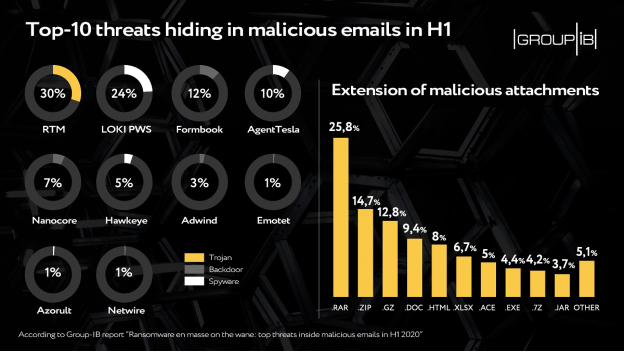
Ransomware en masse on the wane: top threats inside web-phishing in H1 2020
Singapore, 09/18/2020 — Group-IB, a global threat hunting and intelligence company headquartered in Singapore, evidenced the transformation of the threat portfolio over the first half of 2020. It came as no surprise that web-phishing targeting various online services almost doubled during the COVID-19 pandemic: it accounted for 46 percent of the total number of fake web pages.