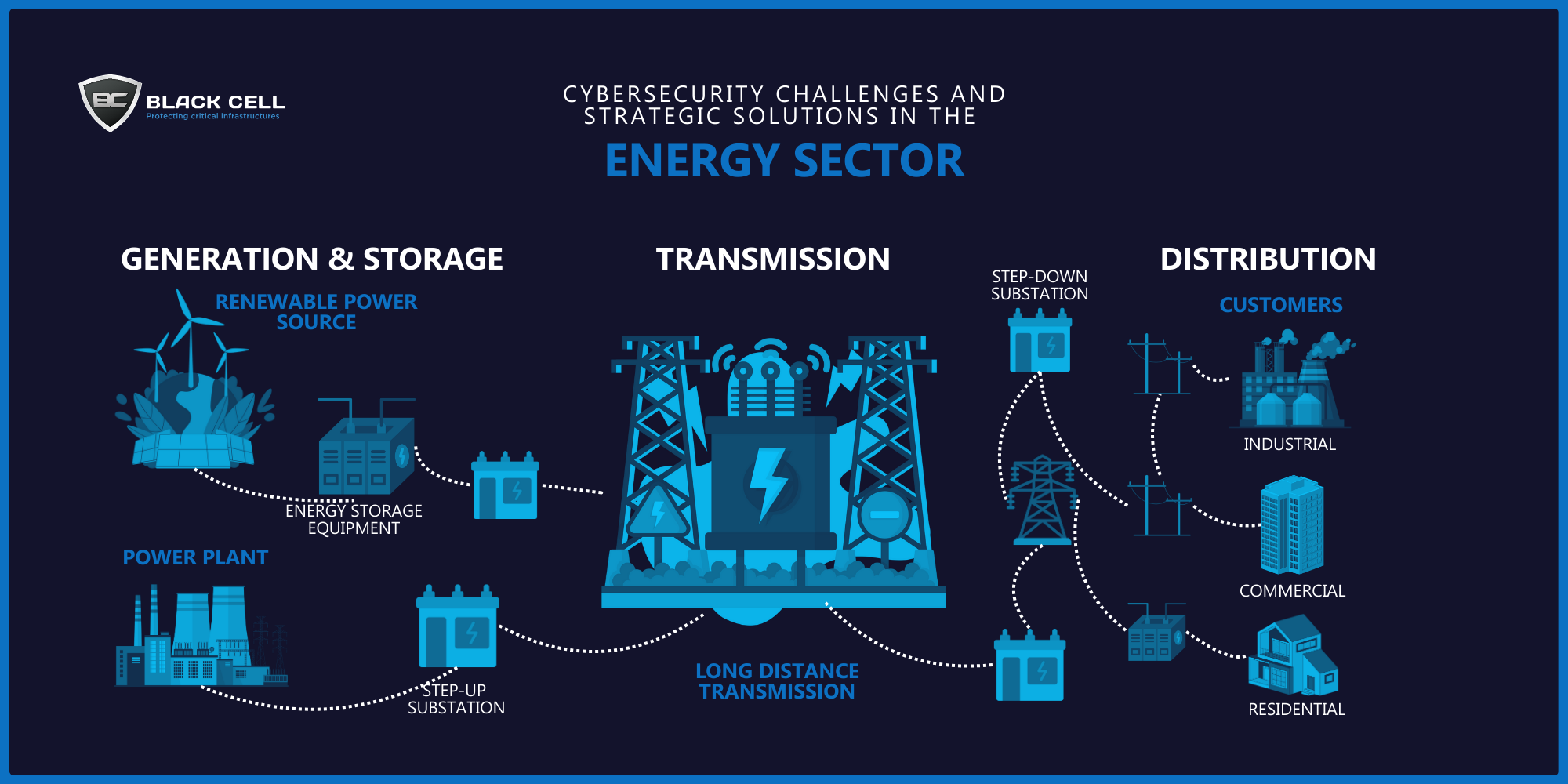
As energy sector evolves with advancements like smart grids and renewable energy integration, cybersecurity becomes even more critical to address emerging risks. Investing in strong cybersecurity measures and fostering a security-conscious culture within the energy industry are essential steps in building resilience against these threats.
Key Challenges and Potential Solutions
- Cyber Threats: The energy sector is a prime target for cyber attacks, including ransomware, data breaches, and supply chain attacks.
- Solution: Strengthen defenses with network segmentation, intrusion detection systems, and regular security assessments. Additionally, train employees to recognize and respond to suspicious activities.
- Legacy Systems: Many energy facilities still rely on outdated systems that lack modern cybersecurity features.
- Solution: Upgrade legacy systems where possible and apply regular security patches to minimize vulnerabilities.
- Supply Chain Risks: The energy industry depends on a complex supply chain, which increases the risk of compromised software or hardware.
- Solution: Implement supply chain risk management practices, including vendor assessments, security requirements, and redundancy measures to minimize disruptions.
- Regulatory Compliance: Meeting cybersecurity regulations in the energy sector can be challenging, given the numerous standards and requirements.
- Solution: Develop cybersecurity policies aligned with regulatory requirements and engage with authorities to stay compliant.
- Human Factors: Human error, negligence, or insider threats can compromise security in energy operations.
- Solution: Strengthen access controls, conduct regular employee training, and implement incident response procedures to mitigate human risks.
- Emerging Technologies: Innovations like IoT devices, cloud computing, and smart grids introduce new security challenges due to increased connectivity.
- Solution: Adopt security-by-design principles, conduct risk assessments, and stay informed about emerging threats to secure these technologies.
Addressing cybersecurity in the energy sector requires a multi-layered approach, involving people, processes, and technology. By staying proactive and vigilant, energy organizations can strengthen their defenses and reduce the risk of cyber attacks.
Author

Gergő Gyebnár
CHIEF EXECUTIVE OFFICER
With over a decade of experience in IT security and a background in business development and leadership, he brings valuable expertise to the role. As CEO, Gergő is responsible for leading the expansion of Black Cell’s OT Security and Detection Engineering services worldwide.
Related Posts
No Results Found
The page you requested could not be found. Try refining your search, or use the navigation above to locate the post.
