
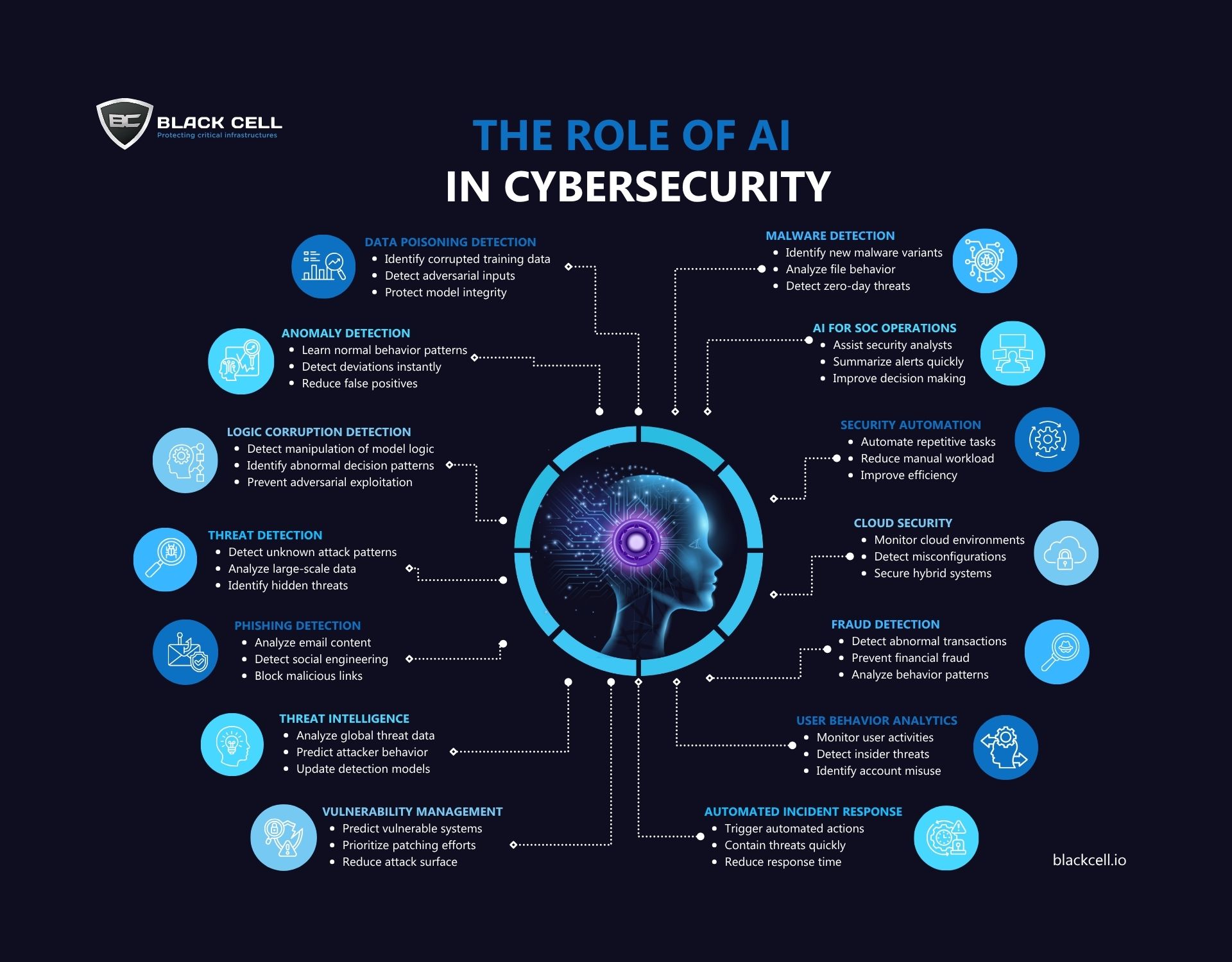
Artificial intelligence is transforming cybersecurity by helping organizations detect threats faster, reduce manual workload, and improve response capabilities. As cyberattacks become more sophisticated, AI enables security teams to move from reactive defense to proactive protection.
AI supports cybersecurity in many ways – from identifying malware variants and phishing attempts to detecting anomalies, insider threats, and suspicious behavior patterns. It also strengthens Security Operations Centers (SOCs) by helping analysts prioritize alerts, automate repetitive tasks, and accelerate incident response.
Beyond threat detection, AI improves vulnerability management, cloud security, fraud prevention, and threat intelligence by analyzing vast amounts of data and uncovering risks that traditional methods may miss.
While AI is not a replacement for cybersecurity professionals, it has become an essential force multiplier – helping organizations stay one step ahead in an increasingly complex threat landscape.
#ai #blackcell
Author

Tibor Luter
FUSION CENTER MANAGER
Related Posts
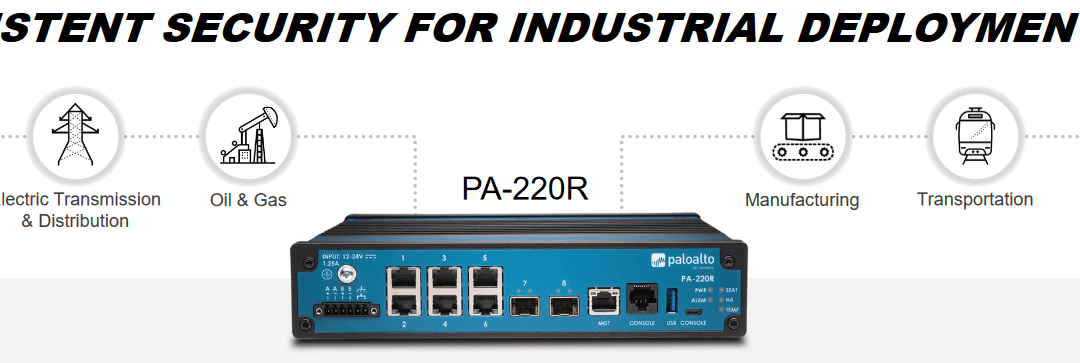
Consistent security for industrial deployments with Palo Alto Networks PA-220R ruggedized appliance
The PA-220R is a next-generation, rugged firewall, what enables proper network security in severe, industrial environments, like power plants, manufacturing plants or oil or natural gas refineries. Due to its rugged design, it’s capable to endure heat, doesn’t contain moving parts and completely dust and interference proof.
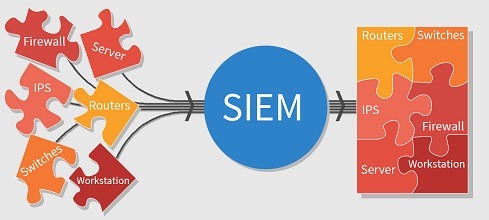
What is SIEM and why is it important to organizations?
Today and in the evolving digital world, cyber-attacks are becoming more common and the amount of data organizations generate is too much to handle manually; therefore, organizations need a solution to monitor the systems and report suspicious activities. Among the array of security solutions available today, SIEM solutions are the most comprehensive choice for building threat intelligence capabilities.